
Avatar Moth Wins New Zealand Bug of the Year 2024

Critically endangered Avatar moth named after mining threat wins New Zealand's bug of the year with nearly half the votes, beating giant wētā and other insects.
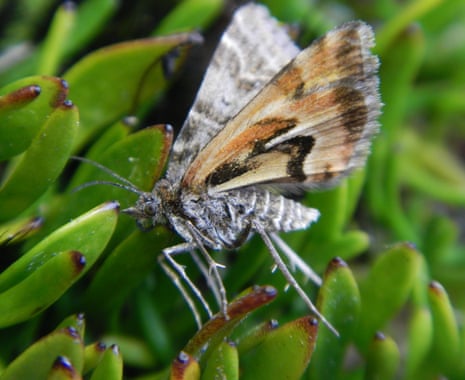
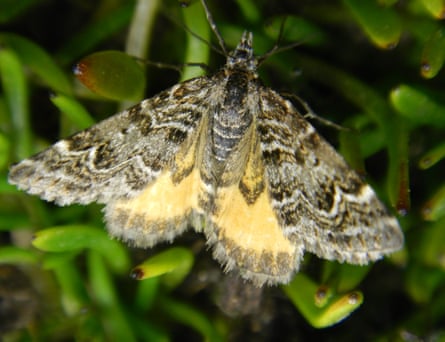
A diminutive yet remarkable critically endangered moth has captured the hearts of New Zealanders, earning the prestigious title of Bug of the Year 2024. The Arctesthes avatar moth, whose name draws inspiration from James Cameron's Avatar films, secured victory with an overwhelming 5,192 votes out of more than 11,000 ballots cast in the annual competition. This extraordinary recognition highlights both the unique biodiversity of New Zealand and the pressing conservation challenges facing the nation's endemic species.
The Avatar moth earned its distinctive moniker not merely as a tribute to popular cinema, but as a poignant reference to the environmental threats mirroring those depicted in the films. The moth's primary habitat faces significant pressure from proposed mining activities, creating a real-world parallel to Avatar's narrative of industrial exploitation threatening pristine ecosystems. This naming choice serves as both scientific designation and conservation statement, drawing attention to the delicate balance between economic development and environmental preservation.
Discovered relatively recently in 2012, the Avatar moth represents one of New Zealand's most recent additions to its catalog of endemic species. Despite its small stature, this lepidopteran has quickly become a symbol of the country's ongoing efforts to document and protect its unique fauna. The moth's discovery came during a period of increased scientific focus on New Zealand's invertebrate populations, revealing the extraordinary diversity that exists within the islands' ecosystems.
The species' critically endangered status underscores the urgent need for conservation action. Scientists estimate that the Avatar moth's population remains precariously small, with its survival directly linked to the preservation of its specific habitat requirements. The moth's lifecycle and ecological needs remain subjects of ongoing research, as conservationists work to understand the precise conditions necessary for its long-term survival.
The competition's runner-up, the mahoenui giant wētā, garnered 2,923 votes, falling short by 2,269 votes despite its impressive credentials as one of the world's largest insects. This massive orthopteran, endemic to New Zealand, represents another conservation success story, having been brought back from the brink of extinction through dedicated conservation efforts. The giant wētā's substantial size and prehistoric appearance have long made it a favorite among both scientists and the public, earning it recognition as one of New Zealand's most iconic invertebrates.
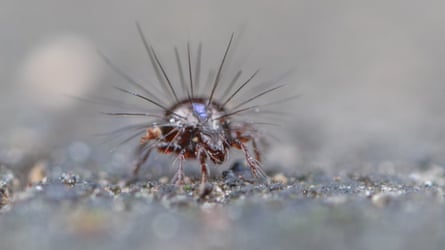
Among the other notable contenders in this year's competition was the aptly named hellraiser mite, whose wonderfully spiky appearance captivated voters with its alien-like morphology. This microscopic marvel showcases the incredible diversity found even among New Zealand's smallest inhabitants. The mite's distinctive spines and aggressive appearance belie its actual size, demonstrating how evolution has crafted remarkable forms across all scales of life.
The competition also featured the formidable black tunnelweb spider, recognized as New Zealand's heaviest arachnid species. This impressive predator represents the apex of New Zealand's spider fauna, combining substantial size with remarkable hunting abilities. The black tunnelweb's inclusion in the competition highlights the important ecological role that large predatory arthropods play in maintaining balanced ecosystems throughout New Zealand's diverse habitats.
Perhaps most remarkably, voters also considered a giant earthworm that possesses the extraordinary ability to glow in the dark. This bioluminescent annelid represents one of nature's most fascinating adaptations, using light production for purposes that scientists are still working to fully understand. The earthworm's luminescent capabilities place it among a select group of terrestrial organisms capable of producing their own light, making it a truly unique component of New Zealand's subterranean ecosystem.
The Bug of the Year competition serves multiple purposes beyond simple public engagement. By encouraging New Zealanders to learn about and vote for their favorite invertebrates, the annual event raises awareness about the critical importance of arthropod and other invertebrate conservation. These often-overlooked creatures form the foundation of most terrestrial ecosystems, serving as pollinators, decomposers, and food sources for countless other species.
The timing of the Avatar moth's victory proves particularly significant given ongoing debates about mining activities and environmental protection throughout New Zealand. The moth's situation exemplifies the broader challenges facing endemic species as human activities continue to modify natural landscapes. Conservation biologists emphasize that protecting critically endangered species like the Avatar moth requires not just scientific understanding, but also public support and political will.
New Zealand's unique geological history has created conditions that fostered extraordinary levels of endemism among its invertebrate populations. Isolated from other landmasses for millions of years, the islands became natural laboratories for evolution, producing species found nowhere else on Earth. The Avatar moth represents just one example of this evolutionary creativity, demonstrating how isolation and unique environmental conditions can give rise to remarkable biodiversity.
The discovery and subsequent recognition of the Avatar moth also highlight the ongoing importance of taxonomic research and species documentation. Scientists estimate that many invertebrate species remain undiscovered throughout New Zealand, suggesting that future Bug of the Year competitions may feature creatures not yet known to science. This reality underscores the urgent need for continued biological surveys and taxonomic work, particularly in threatened habitats.
Conservation efforts for the Avatar moth face numerous challenges, from habitat preservation to climate change impacts. The species' specific ecological requirements mean that even small changes to its environment could have catastrophic consequences for its survival. Researchers are working to establish captive breeding programs and habitat restoration initiatives, but success requires long-term commitment and substantial resources.
The public's enthusiastic response to the Bug of the Year competition demonstrates growing awareness and appreciation for invertebrate conservation. Social media campaigns, educational outreach, and media coverage surrounding the competition have brought unprecedented attention to New Zealand's lesser-known fauna. This increased visibility translates into greater support for conservation funding and policy initiatives aimed at protecting endangered species.
Looking ahead, the Avatar moth's victory may serve as a catalyst for enhanced conservation action. The species' high-profile status as Bug of the Year 2024 provides conservationists with a powerful symbol for broader environmental protection efforts. By capturing public imagination, the Avatar moth can help communicate the urgent need for habitat preservation and sustainable development practices throughout New Zealand.
The competition results also reflect changing public attitudes toward environmental stewardship and species conservation. New Zealanders' overwhelming support for a critically endangered species over more charismatic competitors suggests growing sophistication in public understanding of conservation priorities. This shift in perspective bodes well for future efforts to protect the country's unique biodiversity heritage for generations to come.
Source: The Guardian


