
Austrian Manslaughter Ruling Shakes European Climbing

Amateur climber's conviction for girlfriend's death on Alpine peak could transform liability laws and climbing practices across Europe permanently.
A groundbreaking Austrian court ruling has sent shockwaves through the European climbing community after an amateur mountaineer was convicted of manslaughter following his girlfriend's death on the country's highest peak. The unprecedented decision could fundamentally reshape how climbers approach liability, responsibility, and partnership dynamics across the continent. Legal experts and climbing professionals are closely analyzing the implications of this landmark case, which many believe will influence climbing practices and legal frameworks throughout Europe.
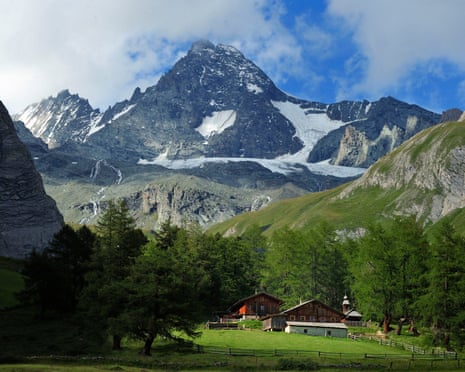
The case centers around Thomas P, who left his girlfriend Kerstin G behind on Austria's treacherous Grossglockner mountain during a winter ascent to seek help. Tragically, Kerstin G perished while waiting for rescue in the harsh Alpine conditions. The Innsbruck court ruling established a dangerous precedent by determining that the significant disparity in climbing experience between the couple created a duty of care that Thomas P failed to fulfill. This decision marks the first time an Austrian court has applied such stringent liability standards to recreational climbing partnerships.
Judge Norbert Hofer, himself an experienced climber and recognized expert in Austrian mountain law, delivered the controversial verdict that has divided the climbing community. In his ruling, Judge Hofer emphasized the "galaxies-wide" difference in climbing experience and skills between the two individuals involved in the tragic incident. This vast gap in expertise, the court determined, effectively transformed Thomas P into an unofficial mountain guide, despite the absence of any commercial arrangement or formal guiding relationship between the couple.
The judge's interpretation of the law suggests that when experienced climbers take less skilled partners into dangerous mountain environments, they automatically assume legal responsibility for their safety and well-being. This de facto guide relationship creates binding obligations that extend far beyond the typical expectations of climbing partnerships, even in personal relationships. The court's reasoning establishes that expertise itself can create legal liability, regardless of whether the more experienced climber intended to assume such responsibility.
Legal experts across Europe are scrambling to understand the full implications of this unprecedented ruling on recreational climbing liability. The decision challenges long-standing assumptions about personal responsibility and risk acceptance in adventure sports. Traditionally, climbing partnerships have been governed by the principle that each participant assumes their own risk, with mutual assistance provided voluntarily rather than as a legal obligation. This Austrian ruling fundamentally undermines that framework by creating mandatory duties based on skill disparities.
The climbing community's reaction has been swift and largely negative, with many expressing concern that such legal precedents could effectively end informal mentorship and skill-sharing relationships. Experienced climbers are now questioning whether they can safely take less experienced partners on challenging routes without exposing themselves to potential criminal liability. This concern extends beyond romantic relationships to encompass friendships, family connections, and informal teaching arrangements that have traditionally been the backbone of climbing culture and skill development.
Insurance companies are already beginning to reassess their policies and coverage options for European climbing activities. The Austrian ruling suggests that standard recreational climbing insurance may no longer provide adequate protection for experienced climbers who frequently partner with less skilled individuals. Industry analysts predict that insurance premiums could increase significantly, particularly for policies covering Alpine climbing and winter mountaineering activities. Some insurers are reportedly considering excluding coverage for situations where significant skill disparities exist between climbing partners.
Mountain guide associations across Europe are closely monitoring how this ruling might affect professional guiding standards and liability frameworks. While certified guides already operate under strict legal obligations and comprehensive insurance coverage, the Austrian decision blurs the line between professional and recreational climbing relationships. This confusion could complicate the already complex regulatory environment surrounding commercial guiding services and potentially impact the professional standards that distinguish certified guides from recreational climbers.
The economic implications of this ruling extend far beyond individual climbers and insurance companies. European climbing destinations that depend on tourism revenue are expressing concern about potential decreases in visitor numbers if legal risks become too onerous. Popular climbing regions in Austria, Switzerland, France, and Italy could see reduced participation as climbers become increasingly cautious about the legal ramifications of their activities. Local businesses, from equipment retailers to accommodation providers, may face declining revenues if climbing participation drops significantly.
Legal scholars are debating whether other European jurisdictions will follow Austria's lead in establishing similar liability standards for recreational climbing partnerships. The precedent set in Innsbruck could influence court decisions across the continent, particularly in countries with similar legal systems and mountain rescue frameworks. However, the application of this ruling may vary significantly based on local laws, cultural attitudes toward risk acceptance, and existing legal precedents in different European nations.
The tragic circumstances of Kerstin G's death have raised important questions about Alpine climbing safety protocols and decision-making processes in emergency situations. Mountain safety experts emphasize that winter climbing on peaks like the Grossglockner requires extensive experience, proper equipment, and carefully planned contingency strategies. The case highlights the life-and-death consequences that can result from inadequate preparation and mismatched skill levels in challenging mountain environments.
Climbing organizations and mountaineering clubs are reviewing their educational programs and safety guidelines in response to the Austrian ruling. Many are implementing new protocols for assessing skill compatibility between climbing partners and establishing clearer frameworks for risk disclosure and acceptance. These organizations are also developing comprehensive documentation systems to help climbers understand and manage their legal exposure when partnering with individuals of different experience levels.
The psychological impact on the climbing community cannot be understated, as many climbers report feeling uncertain about the legal implications of their recreational activities. The Austrian ruling has introduced an element of legal fear into what has traditionally been viewed as a personal risk management activity. This shift in perception could fundamentally alter the culture of climbing, potentially reducing the informal mentorship and knowledge sharing that has historically been essential to the sport's development and safety evolution.
Mountain rescue organizations are also grappling with the implications of this ruling on their operations and protocols. The decision raises questions about the legal responsibilities of rescue teams and the documentation required for emergency response activities. Some rescue organizations are concerned that increased liability could affect volunteer participation and response protocols, particularly in situations involving climbers with disparate skill levels.
The broader adventure sports community is watching this case closely, as the legal principles established could extend beyond climbing to other high-risk recreational activities. Sports such as backcountry skiing, ice climbing, and mountaineering could all face similar liability challenges if courts begin applying the Austrian precedent more broadly. This potential expansion of liability could reshape the entire adventure sports industry and its approach to risk management and participant education.
As appeals processes begin and legal experts continue analyzing the ruling, the climbing community remains in a state of uncertainty about the future of their sport in Europe. The Austrian manslaughter conviction represents more than just a single tragic case – it potentially marks the beginning of a new era in which recreational climbing partnerships carry unprecedented legal risks and obligations. Only time will tell whether this ruling will be upheld on appeal and whether other European jurisdictions will adopt similar interpretations of climber liability and responsibility.
Source: The Guardian


