
Australia Weighs Options Against Trump's New 15% Tariffs

Trade Minister Don Farrell says Australia will examine all options after Trump announces temporary 15% tariff on all US imports following Supreme Court ruling.
Australia's government is preparing to examine all options in response to United States President Donald Trump's announcement of a sweeping 15% tariff on imports from all countries, including Australia. The unexpected move has sent shockwaves through international trade circles and prompted immediate concern from Australian officials about the potential economic impact on bilateral trade relationships. Trade Minister Don Farrell emphasized that Australia has consistently opposed what he termed unjustified tariffs and would not hesitate to explore diplomatic and economic countermeasures.
The dramatic tariff announcement came in the wake of a significant US Supreme Court ruling that overturned Trump's initial 10% import tariff proposal, which had been implemented under different legal authority. Within hours of the court's decision, the Trump administration demonstrated its determination to maintain protectionist trade policies by not only reinstating the 10% duties under alternative legislation but escalating the rate to an unprecedented 15% across all trading partners. This rapid sequence of events has created uncertainty in global markets and raised questions about the stability of international trade agreements.
Minister Farrell's statement reflects Australia's broader strategy of diplomatic engagement while maintaining firm opposition to unilateral trade measures that could damage the historically strong economic partnership between the two nations. The Australian government has been consistently advocating against such protectionist policies through multiple diplomatic channels, including direct bilateral discussions and multilateral forums. Officials in Canberra are now reviewing the full scope of potential responses, which could range from formal diplomatic protests to reciprocal trade measures designed to protect Australian exporters.
The timing of Trump's tariff escalation has caught many international observers by surprise, particularly given the speed with which the administration moved to implement alternative legal mechanisms following the Supreme Court setback. Legal experts suggest that the use of different statutory authority demonstrates the administration's commitment to maintaining trade barriers regardless of judicial challenges. This approach has raised concerns among Australia's trade policy experts about the predictability of US trade policy and its implications for long-term commercial relationships.
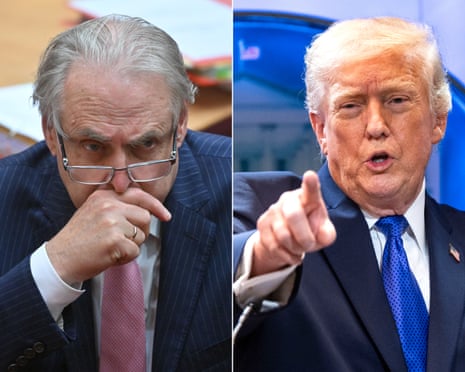
The temporary 15% tariff represents a significant escalation in global trade tensions, affecting not only Australia but all of America's trading partners worldwide. Economic analysts are already predicting substantial disruptions to established supply chains and potential retaliatory measures from affected countries. For Australia, which maintains substantial export relationships with the United States across multiple sectors including agriculture, mining, and manufacturing, the implications could be particularly severe for businesses that have built their operations around predictable trade conditions.
Australian exporters are now facing the prospect of their goods becoming significantly less competitive in the crucial US market, potentially leading to reduced sales volumes and profit margins. Industries that have historically relied on strong trade relationships, such as beef producers, wine makers, and mineral exporters, are expressing concern about the immediate impact on their business operations. The uncertainty surrounding the duration of these temporary tariffs is creating additional challenges for businesses attempting to plan their medium and long-term strategies.
The Australian government's promise to examine all available options suggests a comprehensive review of both diplomatic and economic responses is currently underway. This could include engagement through established bilateral trade mechanisms, appeals to international trade organizations, and consideration of reciprocal measures designed to protect Australian economic interests. Trade policy experts suggest that Australia's response will likely be measured and strategic, designed to maintain pressure for tariff removal while avoiding escalation that could further damage trade relationships.
International trade law specialists are closely monitoring how other affected countries respond to Trump's broad tariff implementation, as coordinated international pressure may prove more effective than individual national responses. The World Trade Organization and other multilateral trade bodies are expected to become focal points for diplomatic efforts to address what many countries view as violations of established international trade principles. Australia's approach will likely emphasize working through these established international mechanisms while maintaining bilateral diplomatic pressure.
The rapid sequence of legal and policy changes in Washington has highlighted the volatility of current US trade policy and its potential impact on global economic stability. The Supreme Court ruling that initially blocked the 10% tariff was seen by many international observers as a positive development for global trade relations. However, the Trump administration's swift implementation of alternative legal mechanisms to not only restore but increase the tariff rate has demonstrated the administration's determination to pursue protectionist policies regardless of legal obstacles.
Economic modeling conducted by Australian trade analysts suggests that a sustained 15% tariff could reduce bilateral trade volumes by significant margins, affecting thousands of jobs in export-dependent industries. The agricultural sector, which has been a cornerstone of Australian exports to the United States, faces particular challenges as price-sensitive consumers may shift to domestic alternatives. Similarly, Australian manufacturers who have integrated into US supply chains may find their competitive position severely compromised by the additional cost burden.
The Australian dollar has already shown signs of volatility in response to the tariff announcement, reflecting broader market concerns about the potential for extended trade disputes. Currency markets are particularly sensitive to developments that could affect Australia's export earnings, given the country's substantial reliance on international trade for economic growth. Financial analysts are monitoring whether the temporary nature of the announced tariffs will limit currency impact or whether sustained uncertainty will create longer-term pressure.
Political observers note that Australia's response will need to balance firm opposition to unilateral trade measures with the broader strategic importance of the Australia-US alliance. The challenge for Australian policymakers lies in defending economic interests while maintaining the diplomatic relationships that underpin broader security and strategic cooperation. This delicate balance requires careful consideration of both immediate economic impacts and longer-term strategic implications.
Industry groups across Australia are calling for government action to mitigate the impact of the new tariffs while working toward their removal. Business organizations representing affected sectors are advocating for both diplomatic engagement and practical support measures for companies facing immediate competitive disadvantages. The calls for action reflect growing concern within the Australian business community about the broader trend toward protectionist trade policies and their impact on established commercial relationships.
The announcement has also prompted renewed discussion about Australia's trade diversification strategies and the importance of reducing dependence on any single export market. While the United States remains a crucial trading partner, the current tariff dispute highlights the risks associated with concentrated trade relationships and the value of maintaining diverse export markets. This situation may accelerate existing efforts to expand trade relationships with other partners while working to resolve current disputes.
As the situation continues to develop, Australian officials are maintaining regular communication with their US counterparts while preparing for various scenarios ranging from quick resolution to extended trade disputes. The government's commitment to examining all available options reflects the seriousness with which Canberra views the current situation and its potential implications for Australia's economic interests. The coming weeks will likely see intensified diplomatic activity as Australia and other affected countries work to address what they view as unjustified barriers to international trade.
Source: The Guardian


