
Artemis II Mission Ends: NASA's Next Steps Unveiled

The successful Artemis II lunar mission has paved the way for NASA's future in deep space exploration. Discover what comes next as the space agency charts its course forward.
The highly anticipated Artemis II mission has come to a close, marking a triumphant return to deep space for humanity after more than half a century. NASA's successful execution of this complex endeavor has set the stage for the agency's future endeavors in space exploration.
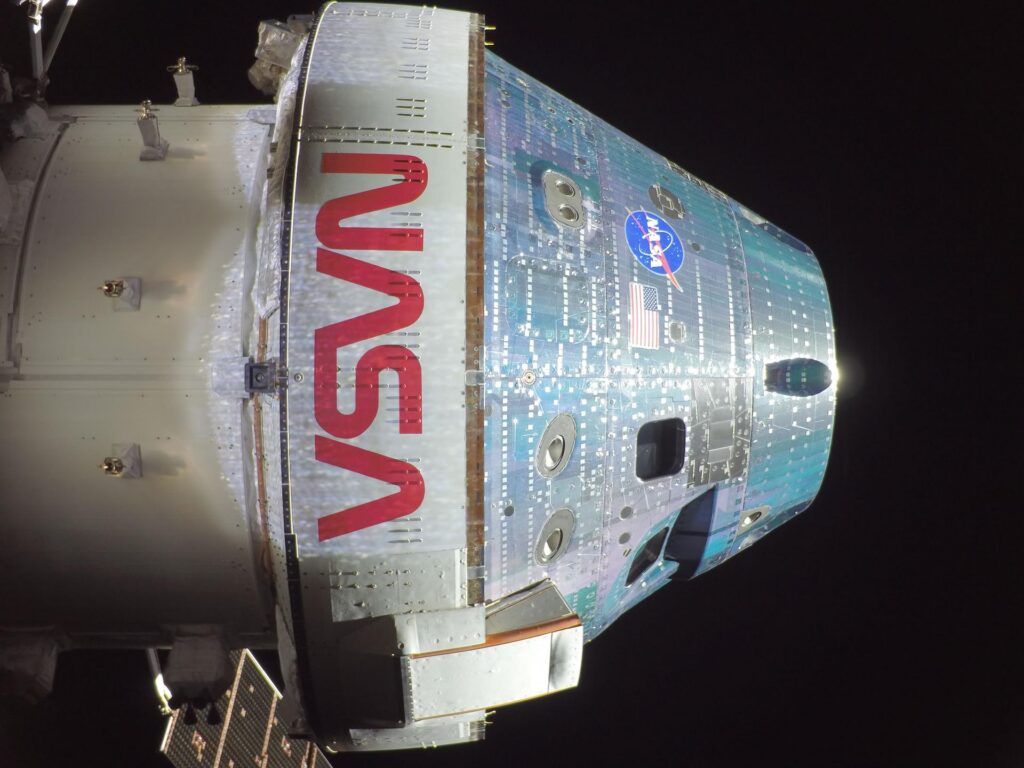
The shiny spacecraft that traveled an impressive 700,000 miles around the Moon and carried four brave astronauts has now safely splashed down in the Pacific Ocean off the coast of California, concluding this historic mission with a spectacular achievement.
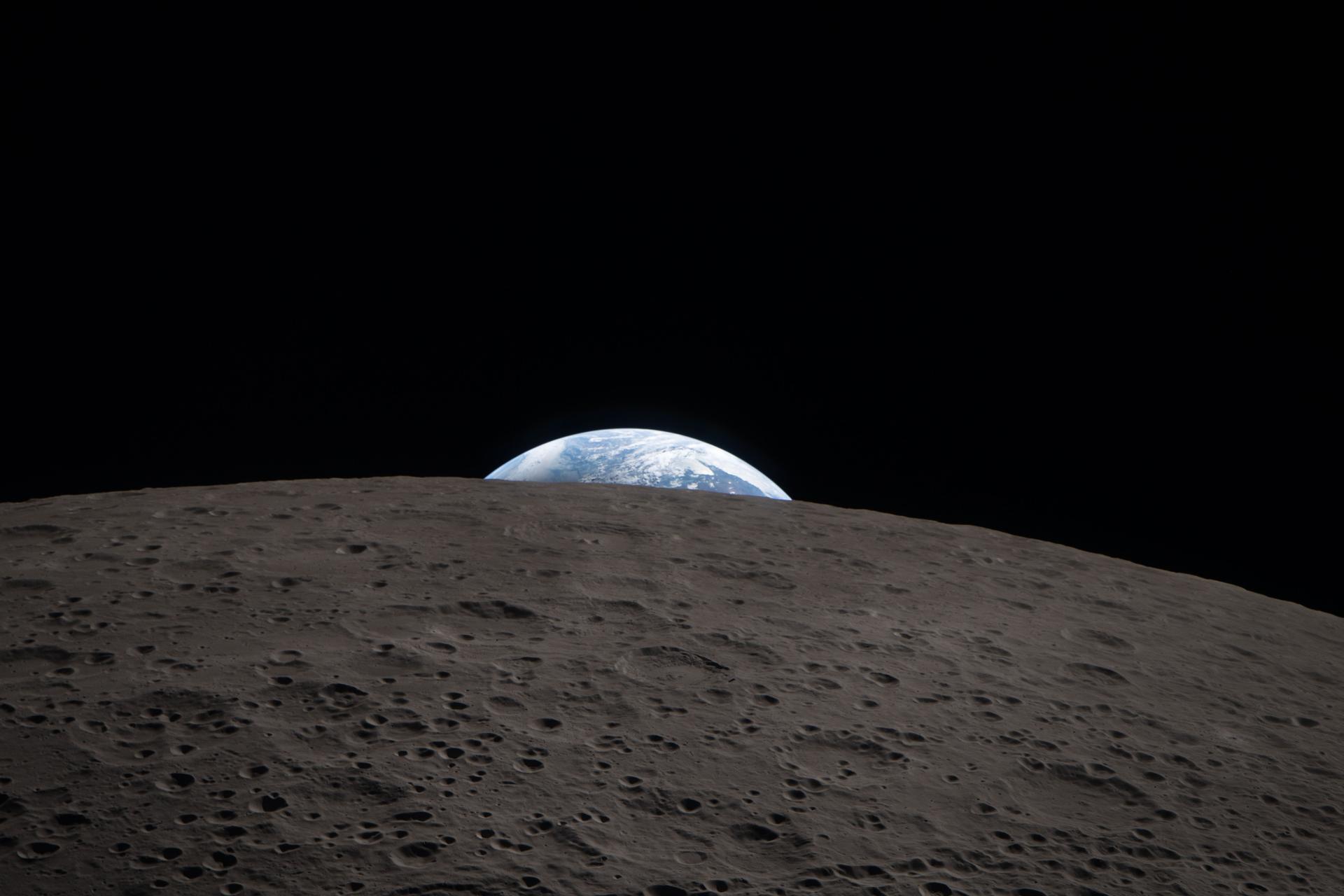
For NASA, its international partners, and all of humanity, this success signals a new era of deep space exploration. The Artemis II mission has laid the groundwork for even more ambitious plans, and the question now is: Where does NASA go from here?
The agency must carefully consider its next steps, balancing the momentum gained from the Artemis II triumph with the need to maintain a sustainable and strategic approach to future missions. The decisions made in the coming months and years will shape the trajectory of NASA's exploration efforts for decades to come.
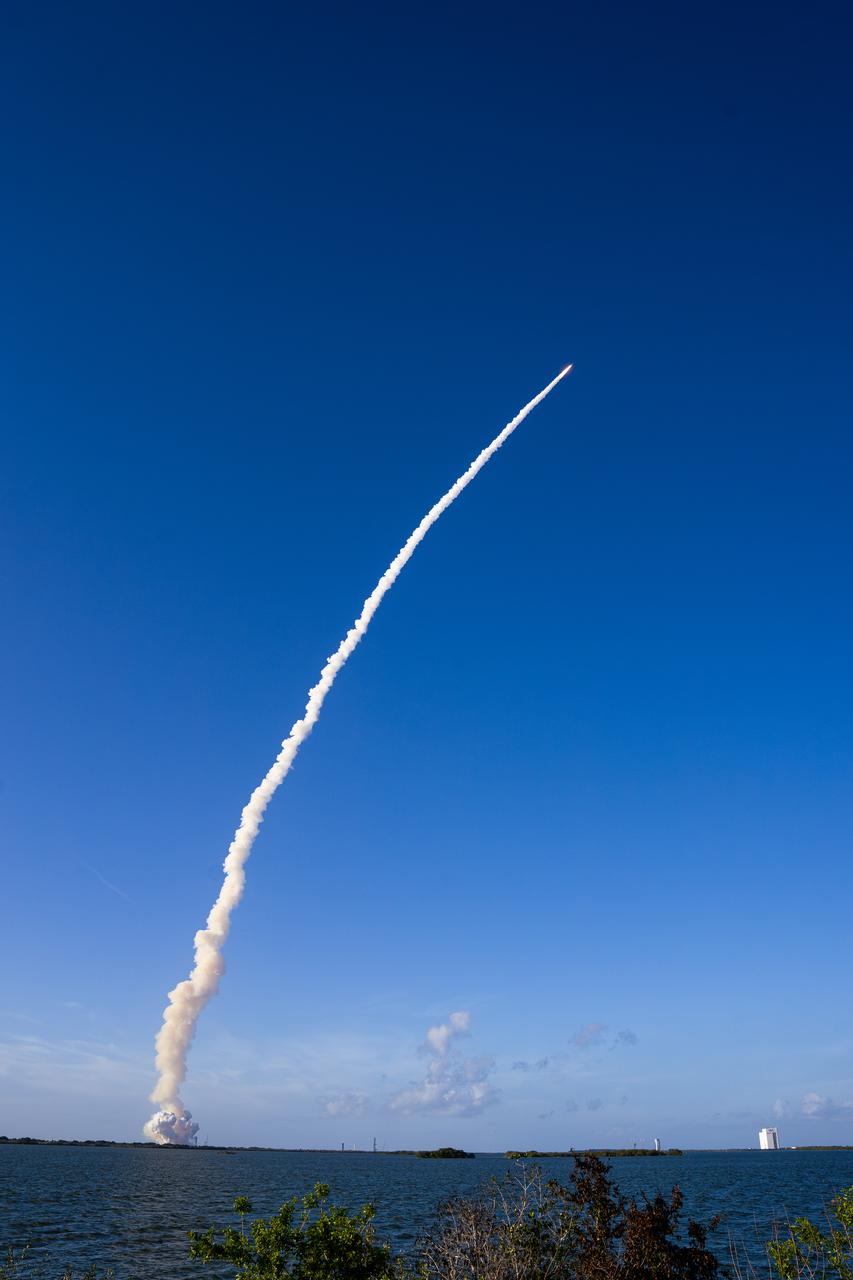
One immediate priority will be to analyze the data and insights gathered during the Artemis II mission, which will inform the design and development of the Artemis III mission, scheduled for the late 2020s. This subsequent mission aims to land astronauts, including the first woman and person of color, on the lunar surface, marking a significant milestone in humanity's space exploration journey.
Beyond the Artemis III mission, NASA must also consider the long-term goals of its Artemis program. This could include establishing a sustainable presence on the Moon, with plans for a lunar outpost or even a potential manned mission to Mars. The agency will need to carefully weigh the technical, financial, and logistical challenges associated with these ambitious objectives.
Collaboration with international partners will be crucial in realizing these future plans. NASA has already forged strong relationships with space agencies around the world, and these partnerships will be essential in sharing the burden and resources required for deep space exploration.
As the Artemis era continues to unfold, the world watches with bated breath, eager to see what NASA has in store. The successful conclusion of the Artemis II mission has set the bar high, and the space agency must now chart a course that builds upon this momentum, pushing the boundaries of human achievement in space.
Source: Ars Technica


