
Ancient Dingo Burial Reveals Deep Bond With First Nations

Archaeologists discover unprecedented evidence of a 'feeding' ritual at a millennium-old dingo burial site in NSW, revealing the profound relationship between First Nations people and canines.
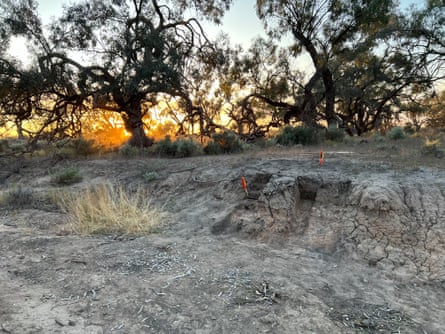
A groundbreaking archaeological discovery in western New South Wales has unveiled compelling evidence of a previously undocumented feeding ritual associated with an ancient dingo burial, fundamentally reshaping our understanding of the historical relationship between First Nations people and these native canines. The site, located along the Baaka—commonly known as the Darling River—within Kinchega National Park near the Menindee Lakes, represents a remarkable window into the cultural practices and emotional bonds that existed between Indigenous Australians and dingoes over more than a thousand years ago.
The significance of this discovery cannot be overstated in archaeological and anthropological circles. Prior to this finding, there had been no documented evidence in the archaeological record of such elaborate burial practices involving dingoes, let alone ritualistic feeding ceremonies accompanying these interments. The presence of food offerings and other grave goods at the site suggests that these animals held considerable cultural and spiritual significance within First Nations communities, moving beyond simple utilitarian relationships and indicating genuine emotional attachment and reverence.
The dingo itself holds a unique position in Australian natural and cultural history. These native canines arrived in Australia approximately 3,500 to 4,000 years ago, likely transported by seafaring peoples from Southeast Asia. Over millennia, dingoes became integral to the Australian ecosystem and to the lives of First Nations people, who developed sophisticated hunting partnerships with these animals and incorporated them deeply into their cultural narratives and spiritual belief systems.

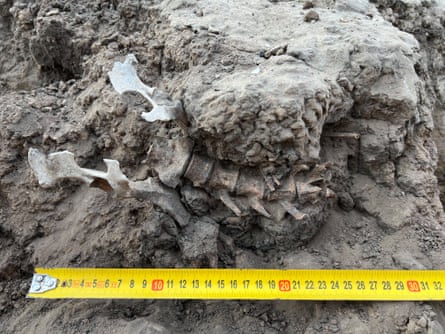
The burial site at Kinchega National Park provides tangible archaeological evidence of practices that have long been documented in oral histories and cultural traditions passed down through generations of First Nations peoples. The careful placement of the dingo within the burial context, combined with the remains of food offerings found nearby, demonstrates a level of ceremonial care that was previously thought to be limited to human burials within these ancient societies. This finding challenges long-held assumptions about the nature of human-animal relationships in prehistoric Australia.
Research teams have meticulously examined the archaeological context surrounding the burial, documenting every artifact and feature with precise measurements and photographic records. The stratigraphic layers surrounding the dingo remain indicate that the burial occurred during a specific temporal window, allowing researchers to date the interment to approximately 1,000 to 1,500 years ago based on radiocarbon analysis and associated material culture. This temporal placement situates the burial within a period of significant cultural development among First Nations communities.
The feeding ritual aspect of the discovery is particularly noteworthy because it suggests a deliberate, repeated practice rather than a single isolated event. Archaeological evidence indicates that the dingo may have been provisioned with food during its lifetime, and that additional food offerings were made as part of the burial ceremony itself. Such practices would have required a substantial commitment of resources and time, reflecting the animal's importance within the community and the depth of human investment in its welfare.
This discovery aligns with broader patterns of human-animal interaction documented across different First Nations cultures throughout Australia. Many Indigenous Australian groups developed intricate relationships with specific animal species, viewing them not merely as resources to be exploited, but as entities deserving of respect, care, and ceremonial acknowledgment. The dingo, in particular, appears to have occupied a liminal space—both a hunting partner and a valued companion whose death warranted formal ritual commemoration.
The implications of this archaeological finding extend beyond the specific site at Kinchega. It provides crucial evidence supporting oral histories and ethnographic accounts that describe close relationships between First Nations people and dingoes, relationships that were often dismissed or minimized by earlier Western scholarship. The material evidence now corroborates long-standing Indigenous narratives about the significance of these animals in cultural, spiritual, and practical contexts.
Researchers involved in the excavation and analysis have noted that the quality of preservation at the site is exceptional, allowing for detailed examination of bone structure and any pathological conditions the dingo may have experienced. Preliminary analysis suggests that the animal lived to a relatively advanced age for a wild dingo, which may indicate special care and protection from the human community. Any evidence of healed injuries or nutritional supplementation would further support the hypothesis that this particular animal received sustained human care throughout its life.
The Baaka River valley has long been recognized as an area of intense human occupation and cultural significance for First Nations peoples. The availability of water, abundant fish resources, and diverse game animals made the Darling River system one of the most densely populated regions in pre-contact Australia. Within this rich environmental and cultural context, the development of specialized relationships with dingoes would have been particularly advantageous, creating opportunities for enhanced hunting success and deeper social bonds.
The broader implications of this discovery suggest that previous archaeological models of human-animal relationships in prehistoric Australia may need substantial revision. Rather than viewing Indigenous Australians as primarily focused on extraction and subsistence, this evidence indicates a more nuanced and emotionally complex engagement with the animals that shared their landscape. The care lavished on this individual dingo, both during its life and in its burial, reflects a worldview in which animals possessed inherent value beyond their utilitarian contributions to human survival.
Future research directions include DNA analysis of the dingo remains, which could reveal whether it was a domestic individual with a distinct genetic lineage, or a wild dingo that received special treatment. Additionally, the food offerings found with the burial are being subjected to botanical and faunal analysis to determine exactly what resources were considered appropriate for provisioning a deceased canine. Such detailed investigation promises to yield further insights into First Nations dietary practices and valued commodities within these ancient societies.
The documentation and publication of these findings represent an important moment in Australian archaeological science, one that centers Indigenous knowledge systems and validates accounts of human-animal relationships that have been maintained through oral tradition. By integrating modern archaeological methodology with respect for First Nations perspectives on the past, researchers are developing a more complete and accurate understanding of Australia's pre-contact history. This collaborative approach to archaeology promises to transform how we interpret the archaeological record and understand the achievements and sophistication of Australia's oldest cultures.


