
Ancient Dingo Burial Reveals Deep Aboriginal Bonds

Archaeologists discover a 1,000-year-old dingo grave maintained by Barkindji people, showing these animals were deeply valued in ancient Australian communities.
Approximately one thousand years ago, the ancestors of the contemporary Barkindji people engaged in a solemn ritual that would echo through the millennia. They carefully interred a dingo, known as garli in the Barkindji language, within an elaborate mound constructed entirely from river shells. This ancient burial site, recently uncovered and studied by researchers in what is now New South Wales, Australia, provides remarkable insight into the relationship between early Aboriginal peoples and the animals that inhabited their lands.
A team of archaeologists, including Amy Way, a distinguished researcher from the Australian Museum and University of Sydney, conducted a comprehensive examination of this prehistoric grave. Their findings paint a compelling picture of the reverence and affection the Barkindji ancestors held for dingoes. According to Way and her colleagues, the evidence suggests that these canines were not merely utilitarian animals but rather "deeply valued and loved" members of the ancient community, deserving of the same ceremonial treatment and careful burial practices reserved for cherished human individuals.
The discovery itself represents a significant moment in understanding Aboriginal history and the cultural practices of ancient Australian societies. The burial reveals complex social structures and belief systems among the Barkindji people, demonstrating their capacity for emotional attachment to animals and their willingness to invest considerable effort in honoring those bonds through elaborate funeral rites. This archaeological finding challenges many assumptions about prehistoric human-animal relationships and underscores the sophistication of early Australian cultures.
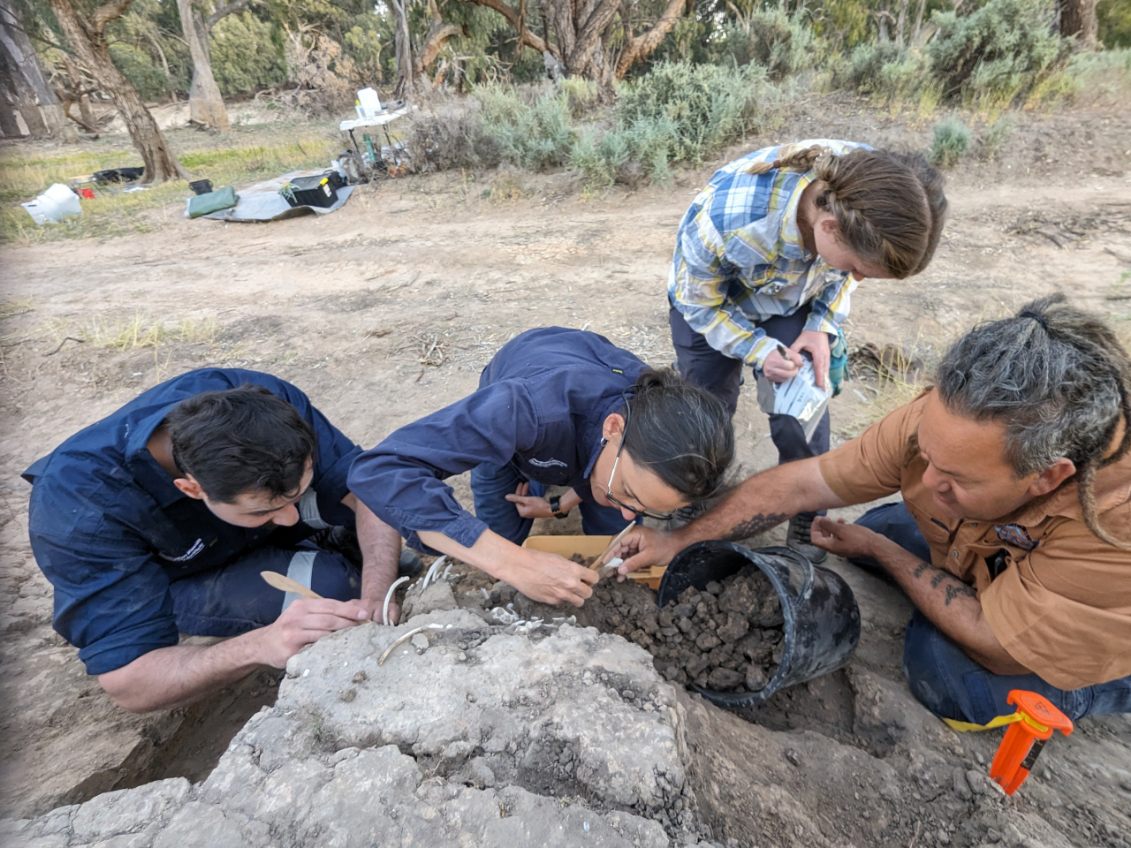
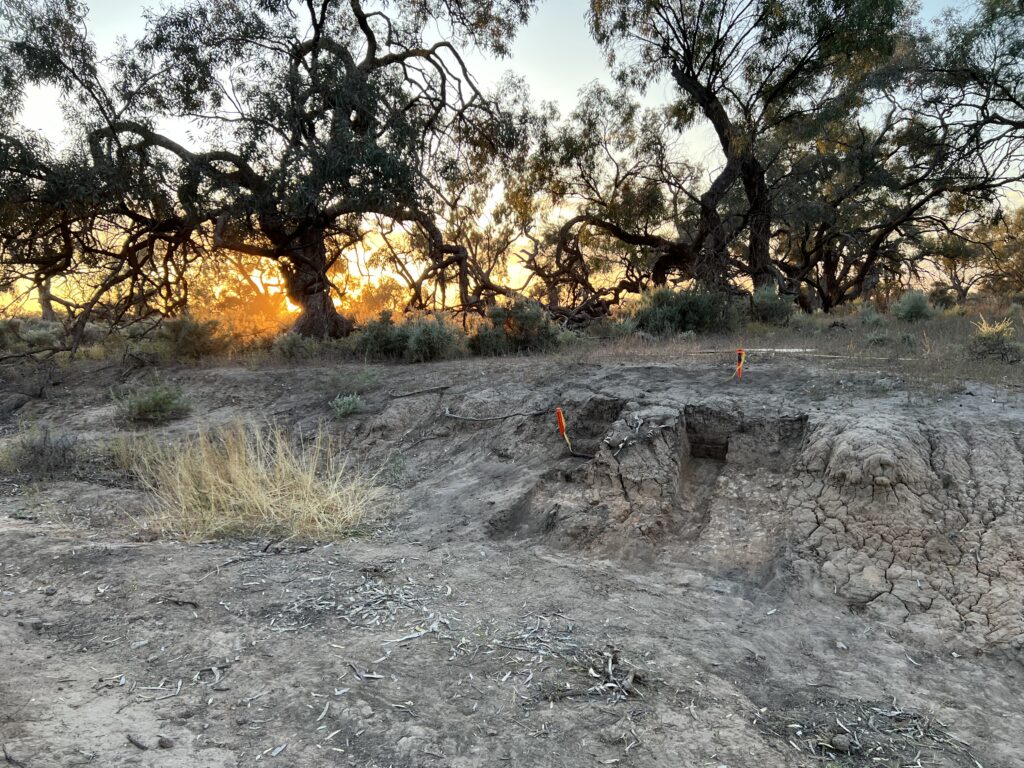
The journey to this extraordinary discovery began five years prior to the publication of these findings. Badger Bates, a respected elder of the Barkindji people, and Dan Witter, a dedicated archaeologist with the National Parks and Wildlife Service, were conducting an inspection along a road cut within Kinchega National Park. Located in the region adjacent to the Baaka, commonly known as the Darling River, this area holds immense cultural and historical significance for the Barkindji community. During their survey, both men noticed bones beginning to erode from the earthen cutaway—evidence that centuries of weathering were slowly exposing what lay beneath.
Upon careful examination, Elder Bates immediately recognized the skeletal remains as those of a dingo, positioned deliberately on its left side. The bones were surrounded by what had once been a meticulously constructed mound of river mussel shells, clearly indicating intentional and purposeful burial practices. This discovery was particularly significant because it confirmed oral traditions and provided tangible archaeological evidence of practices that had been passed down through generations of Barkindji knowledge keepers.
The shell mound burial technique employed by the Barkindji ancestors represents a distinctive and labor-intensive burial practice. The collection and arrangement of countless mussel shells required considerable planning, coordination, and communal effort. The fact that this labor was expended specifically for the burial of a dingo underscores the animal's elevated status within the community. Such elaborate funeral practices would typically be reserved for individuals of significant importance, whether human or animal, indicating that dingoes occupied a special place in Barkindji society.
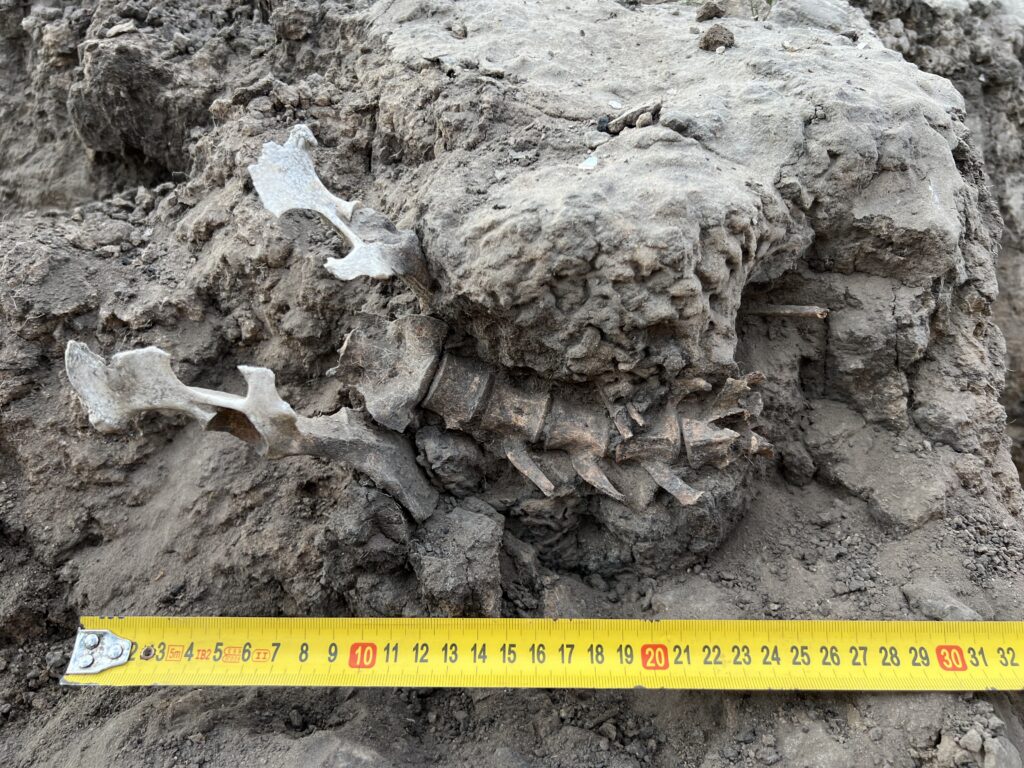
The ongoing maintenance of the grave over centuries presents another remarkable aspect of this discovery. The research conducted by Way and her team revealed evidence that the Barkindji people did not simply bury the dingo and then abandon the site. Rather, they returned to the grave repeatedly over an extended period, maintaining and caring for the mound in much the same manner they would preserve the burial sites of their human ancestors. This pattern of behavior demonstrates a long-term commitment to honoring the deceased animal and maintaining the sanctity of its resting place.
Such multi-generational grave maintenance practices are extraordinarily rare in the archaeological record and provide valuable insights into Aboriginal spiritual beliefs and cultural values. The act of returning repeatedly to care for the burial site suggests that the dingo held a persistent place in community memory and identity. For the Barkindji people, this dingo was not a fleeting presence but rather an enduring figure worthy of continuous respect and ceremonial attention spanning multiple human lifetimes.
The implications of this archaeological discovery extend far beyond the specific case of this individual dingo. The burial provides concrete evidence for understanding the nature of human-animal relationships in ancient Australia and challenges Western assumptions about the relative status of different species in traditional societies. It demonstrates that the Barkindji people possessed nuanced and sophisticated views of the natural world, recognizing the individual worth and emotional significance of animals beyond their practical utility.
Amy Way's analysis emphasizes that dingoes were not merely hunting companions or tools for survival, though they certainly served such purposes. Instead, the burial evidence suggests these animals were integrated into the social and spiritual fabric of Barkindji society in meaningful ways. They may have been significant in storytelling traditions, ceremonial practices, and the broader cosmological frameworks through which the Barkindji understood their world and their place within it.
The discovery also highlights the importance of collaborative research practices that bring together academic expertise with Indigenous knowledge and cultural understanding. The involvement of Elder Badger Bates proved absolutely critical to this discovery—it was his familiarity with the landscape and his recognition of the bones that initiated the investigation. This partnership model represents best practices in contemporary archaeology and demonstrates the necessity of centering Indigenous voices in the interpretation of Aboriginal history.
Furthermore, the work of the National Parks and Wildlife Service in protecting and studying sites like this one reflects growing recognition of the importance of preserving Australia's archaeological heritage. Kinchega National Park, where the dingo burial was discovered, contains numerous sites of cultural significance to the Barkindji people. Ongoing efforts to document and study these sites help ensure that the history and achievements of Aboriginal peoples are properly recognized and preserved for future generations.

The thousand-year-old dingo burial stands as a testament to the depth of connection that existed between ancient Australians and the animals with which they shared their land. This archaeological evidence fundamentally enriches our understanding of Aboriginal cultures and their sophisticated approaches to life, death, and the treatment of beings both human and non-human. As researchers continue to study this remarkable burial site, they add crucial pieces to the broader puzzle of Aboriginal history and cultural practice.
Source: Ars Technica


