
A Beloved Sanctuary for Unconventional Minds: The Fall of Hampshire College

Hampshire College, a renowned liberal arts institution, is the latest victim of the crisis affecting small colleges. Explore the story of its progressive legacy and its struggle to survive in the modern era.
When Hampshire College first opened its doors in 1970, it promised a revolutionary approach to liberal arts education, one that catered to the unique interests and motivations of each student. For over five decades, this progressive institution became a beloved sanctuary for unconventional learners, offering an experience unlike anywhere else.
However, Hampshire College's story is now one of the latest casualties in the decades-long crisis affecting small, private liberal arts colleges across the United States. As enrollment figures declined and financial challenges mounted, the school announced its impending closure, leaving behind a legacy that once defined the essence of a transformative college experience.
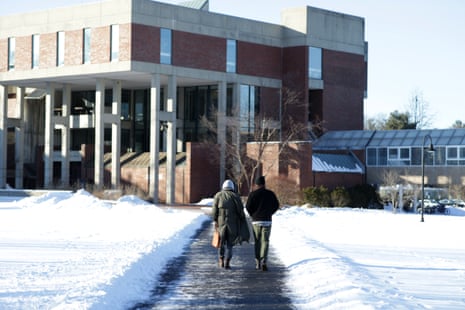
The roots of Hampshire's downfall can be traced back to the broader trends impacting the higher education landscape. Declining birth rates, rising tuition costs, and a growing preference for more career-oriented degrees have all contributed to the struggles of institutions like Hampshire, which thrived on offering a unique, interdisciplinary approach to learning.
Despite its innovative curriculum and tight-knit community, Hampshire was unable to withstand the relentless financial pressures that have forced many small colleges to shutter their doors. The school's commitment to personalized education and its refusal to conform to the standardized models of higher education ultimately proved to be both its greatest strength and its undoing.
As Hampshire prepares to close its doors, the reverberations of its loss will be felt far beyond the boundaries of its picturesque campus. The school's alumni, many of whom fondly recall their


