
13 Victims of US Military Boat Strikes Finally Identified

Investigation names 13 previously unidentified victims of US military attacks on boats in Caribbean and eastern Pacific region, raising questions about identification procedures.
A comprehensive five-month investigation has successfully identified 13 previously unidentified victims of US military boat strikes in a controversial campaign targeting vessels allegedly transporting narcotics throughout the Caribbean and eastern Pacific regions. This groundbreaking identification effort comes as part of ongoing scrutiny into a campaign that has claimed nearly 200 lives, yet remains shrouded in questions about operational protocols and victim verification procedures. The investigation represents a significant step toward documenting and memorializing those who lost their lives in these operations, transforming anonymous statistics into named individuals with families, histories, and personal stories.
The scale of the military maritime campaign has proven far more lethal than initially understood by the public, with the eastern Pacific and Caribbean becoming zones of intense operational activity. According to investigative reports, the US military has conducted numerous strikes on suspected drug-trafficking vessels, yet accountability and transparency remain persistent concerns. These newly identified victims represent just a fraction of the nearly 200 people killed in the campaign, underscoring the magnitude of the human cost associated with these anti-narcotics operations.
One of the most troubling aspects of the investigation is the revelation that it remains unclear if the US military has ever identified any of the 194 victims before conducting strikes on their vessels. This raises profound questions about the operational procedures, rules of engagement, and verification protocols that govern these maritime military actions. The absence of victim identification prior to strikes suggests a potentially systematic gap in accountability measures that may have contributed to civilian casualties and unintended targeting.
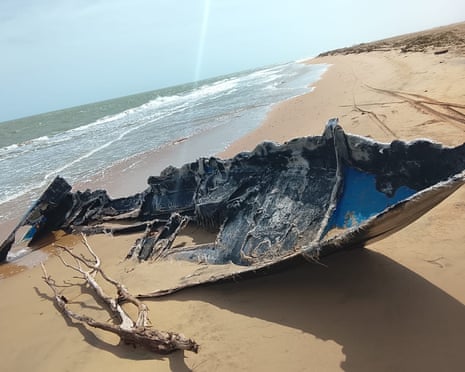
Prior to this extensive investigation, the names of only three victims had emerged publicly, and only through the determined efforts of grieving families who pursued legal cases against the White House. These legal actions represented desperate attempts to secure accountability and recognition for their lost loved ones, breaking through the official silence that had previously surrounded individual victim identities. The families' willingness to engage in protracted legal battles demonstrated their commitment to ensuring that these deaths would not be forgotten or overlooked by official channels.
The investigation's findings paint a troubling picture of individuals caught in the crosshairs of a drug interdiction campaign that has expanded dramatically in scope and intensity. All victims identified so far originated from extremely poor communities throughout the Caribbean and eastern Pacific regions, suggesting that socioeconomic vulnerability may have played a role in their targeting or the targeting of their communities. These were individuals struggling with poverty, attempting to make a living in economically devastated areas, yet they became casualties in a larger war on drugs that operated without adequate safeguards or accountability mechanisms.
The human dimension of these statistics becomes painfully apparent when examining the biographies and circumstances of the 13 newly identified victims. Each name represents a person with aspirations, family connections, and a story that extends far beyond the moment of their death. By naming these individuals, the investigation restores a measure of dignity and acknowledgment that had previously been denied to them in official records and public discourse.
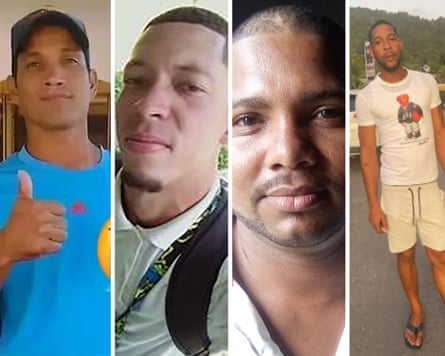
The broader context of US military operations in the Caribbean and eastern Pacific involves complex geopolitical considerations, drug trafficking networks, and international law enforcement cooperation. However, the lethal consequences of these operations have sparked significant debate about proportionality, necessity, and the adequacy of oversight mechanisms. Critics argue that the high casualty toll suggests either excessive force, inadequate intelligence gathering, or insufficient protocols to distinguish between legitimate targets and innocent bystanders.
The investigation methodology involved extensive research into records, interviews with family members, and cross-referencing of available data to construct accurate victim profiles. Researchers worked to overcome official documentation gaps and resistance to information disclosure, often relying on family testimony and community records to verify identities and circumstances of death. This painstaking effort underscores the challenges faced by independent investigators attempting to establish accountability for military operations conducted in remote maritime regions.
Families of the identified victims have expressed deep anguish and a desire for official recognition and compensation for their losses. Many have described these individuals as ordinary people simply trying to survive in difficult economic circumstances, rather than dangerous criminals warranting lethal military response. The personal testimonies from bereaved relatives add emotional weight to statistical analysis, humanizing the abstract casualty figures that characterize discussions of the campaign.
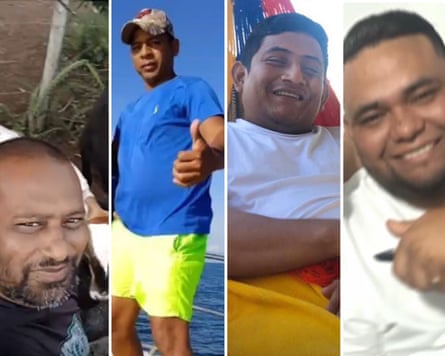
The absence of a clear identification protocol before strikes raises serious questions about the rules of engagement and targeting procedures governing these military operations. Without documented evidence that individuals were identified as actual narcotics traffickers before being targeted, allegations emerge that the strikes may have been based on incomplete intelligence or faulty assumptions. This accountability gap suggests a potential need for reformed procedures that would establish positive identification requirements before deploying lethal force in maritime interdiction operations.
International maritime law and humanitarian principles generally require that military forces take reasonable measures to verify targets and minimize civilian casualties. The investigation's findings suggest that these principles may not have been adequately applied in the Caribbean and eastern Pacific campaign, potentially violating established norms of international military conduct. Legal experts have begun analyzing whether the operational procedures employed may constitute violations of international law or laws of armed conflict.
The investigation also illuminates systemic issues within the broader framework of how the US government conducts and oversees military operations in foreign waters and international territories. Questions persist about congressional oversight, inter-agency coordination, and the adequacy of intelligence assessment procedures that inform targeting decisions. These institutional and procedural questions may prove as significant as the individual victim identifications in driving potential reforms.
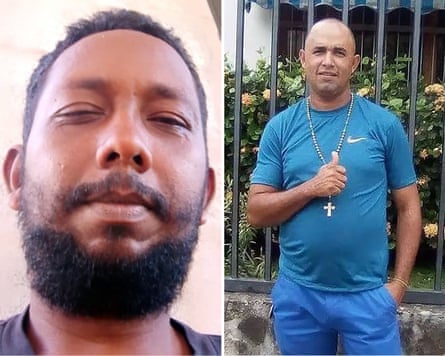
Moving forward, the identification of these 13 victims and the comprehensive investigation into their circumstances may provide momentum for policy reforms and enhanced accountability measures. Civil rights organizations, international humanitarian groups, and affected communities are calling for transparent reviews of the campaign's operational procedures and outcomes. The findings suggest that significant changes may be warranted in how the US military approaches maritime drug interdiction operations to better protect innocent lives.
The broader significance of this investigation extends beyond the specific victims identified, touching on fundamental questions about military accountability, civilian protection, and the appropriate use of lethal force in international operations. As these 13 individuals are finally named and recognized, their stories contribute to a growing public understanding of the human costs associated with this campaign. These were flesh-and-blood people, not merely statistics, and their identification represents an important step toward acknowledging the real human tragedy underlying the campaign's operational history.
Source: The Guardian


